Why Does My Tire Keep Losing Air? 5 Common Causes and How to Find the Leak
If your tire keeps losing air, you're not alone. A slow tire leak is one of the most common vehicle problems and can be caused by a small puncture, a leaking valve stem, a damaged wheel rim, normal air permeation, or changing temperatures.
Understanding why your tire loses pressure can help you prevent uneven tire wear, improve fuel efficiency, and stay safe on the road.
1. Tire Puncture from Nails, Screws, or Road Debris
A small tire puncture is the most common reason a tire slowly loses air. Nails, screws, glass, and other sharp road debris can become lodged in the tread, allowing air to escape gradually while temporarily sealing the hole.
How to Check for a Tire Puncture
- Inflate the tire to the recommended PSI.
- Mix a few drops of dish soap with water in a spray bottle.
- Spray the entire tread surface.
- Look for clusters of small bubbles, which indicate escaping air and the location of the puncture.
Tip: Even if you don't see an object in the tire, a tiny puncture can still cause a slow leak.
2. Leaking Valve Stem or Valve Core
The tire valve stem and the valve core inside it can wear out over time due to age, road salt, moisture, and exposure to the elements. A damaged or loose valve stem can cause your tire to lose air even when there isn't a puncture.
How to Check for a Valve Stem Leak
- Spray soapy water directly onto the valve stem and around its base.
- Watch for bubbles forming around the valve.
- If bubbles appear, the valve core may simply need tightening, or the valve stem may need replacement.
Replacing a faulty valve stem is typically inexpensive and can eliminate persistent air loss.
3. Bead Leak Between the Tire and Wheel Rim
A bead leak occurs where the tire seals against the wheel rim. Corrosion, dirt, rust, or a bent wheel can prevent the tire from creating an airtight seal, allowing air to escape slowly.
Bead leaks are especially common on older aluminum alloy wheels.
How to Check for a Bead Leak
- Spray soapy water around both sides of the tire where the rubber meets the metal rim.
- If bubbles appear around the edge of the wheel, the tire bead is leaking.
A professional tire shop can usually clean the rim, reseal the bead, or repair a damaged wheel.
4. Natural Tire Air Loss
Even a brand-new tire isn't completely airtight. Over time, tiny air molecules naturally pass through the rubber, causing a gradual loss of pressure.
Under normal conditions, most tires lose approximately 1 to 2 PSI per month. This is considered completely normal and is why experts recommend checking tire pressure at least once a month.
5. Cold Weather and Temperature Changes
Temperature has a significant effect on tire pressure. As outdoor temperatures drop, the air inside your tires contracts, reducing tire pressure.
A good rule of thumb is that tires lose approximately 1 to 2 PSI for every 10°F decrease in temperature. During seasonal weather changes, it's common for your tire pressure warning light to turn on even if there isn't a leak.
Regularly checking and adjusting tire pressure during colder months helps improve handling, tire life, and fuel economy.
How to Tell Why Your Tire Is Losing Air
If your tire keeps losing pressure, follow these simple steps:
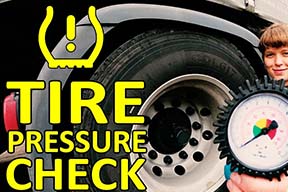
- Check the tire pressure with a reliable tire pressure gauge.
- Inspect the tread for nails, screws, or sharp objects.
- Spray soapy water over the tread, valve stem, and wheel rim.
- Watch for bubbles that indicate escaping air.
- If no leak is visible, have the tire professionally inspected for internal damage or a cracked wheel.
Frequently Asked Questions
Is it normal for a tire to lose air over time?
Yes. Most healthy tires naturally lose about 1 to 2 PSI per month through normal air permeation.
Can cold weather make tires lose air?
Yes. Tire pressure decreases by approximately 1 to 2 PSI for every 10°F drop in temperature, making colder weather a common cause of low tire pressure.
Can a tire lose air without a visible puncture?
Absolutely. Slow leaks are often caused by a damaged valve stem, a leaking tire bead, wheel corrosion, or tiny punctures that are difficult to see.
Final Thoughts
If your tire keeps losing air, don't ignore it. A slow leak can affect vehicle handling, reduce fuel efficiency, and increase tire wear. Most causes—including punctures, valve stem leaks, bead leaks, and temperature-related pressure loss—can be diagnosed with a simple soapy water test and a tire pressure gauge. Catching the problem early can help you avoid more expensive repairs and keep your vehicle safe on the road.