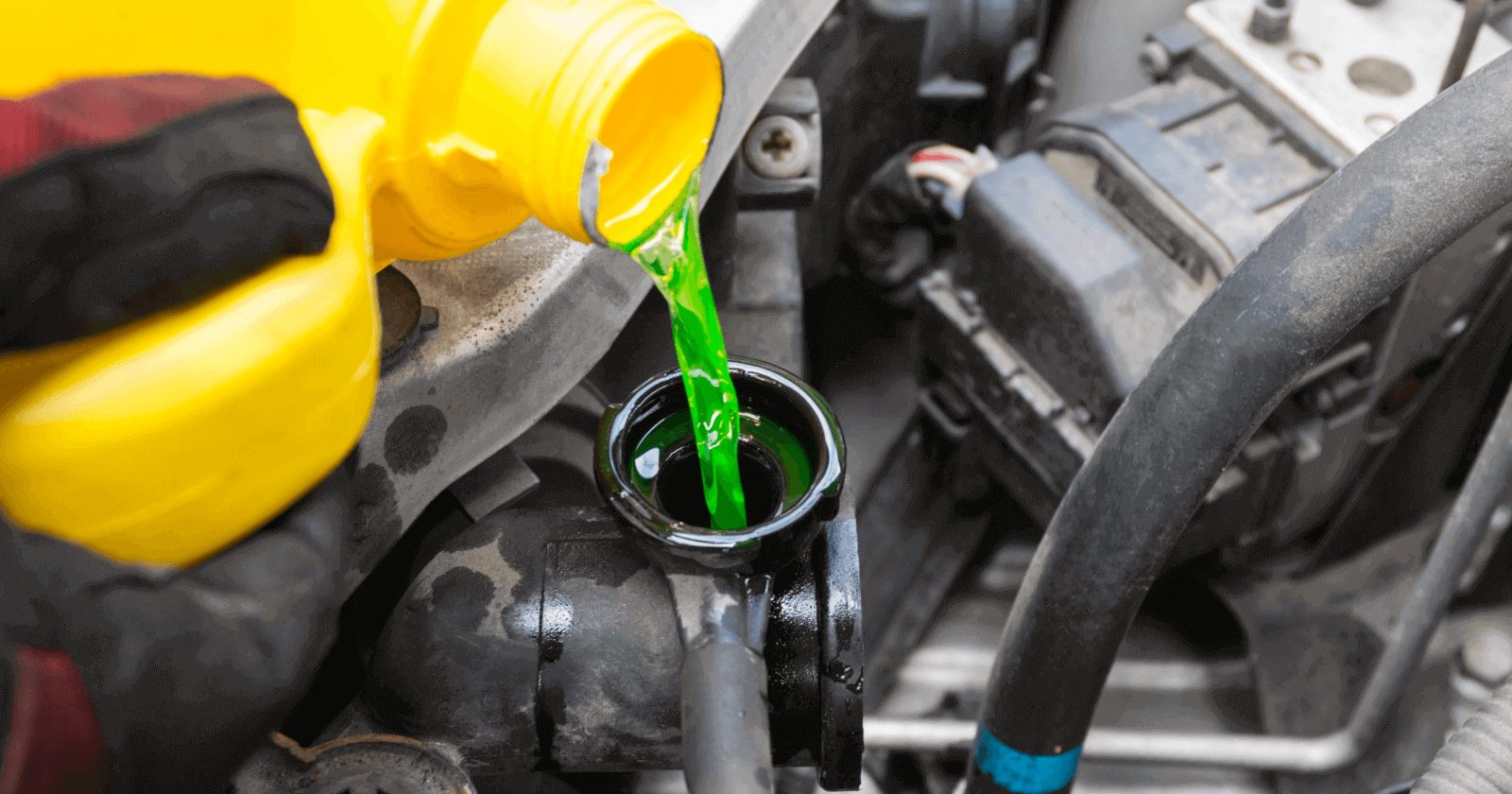
Why is it important to replace your coolant?
Coolant is one of the most overlooked fluids in a vehicle, yet it plays a critical role in both engine performance and cabin comfort. Many drivers associate coolant only with preventing overheating, but its impact goes much further—especially when it comes to how your heater and air conditioning system function.
What Coolant Actually Does
Coolant (also known as antifreeze) circulates through your engine and radiator, regulating temperature by absorbing heat and transferring it away from critical components. It prevents the engine from overheating in the summer and freezing in the winter, while also protecting against corrosion inside the cooling system.
Over time, however, coolant breaks down. Its protective additives wear out, contaminants build up, and its ability to transfer heat efficiently decreases.
Why Coolant Replacement Matters
Failing to replace coolant at the recommended intervals can lead to several problems:
- Reduced heat transfer efficiency – Old coolant becomes less effective at absorbing and dissipating heat.
- Corrosion and buildup – Rust and debris can clog passages in the radiator and heater core.
- Water pump wear – Contaminated coolant can damage seals and bearings.
- System blockages – Sludge buildup can restrict flow throughout the cooling system.
Routine coolant replacement keeps the system clean, properly lubricated, and functioning at peak efficiency.
Impact on Engine Temperature
When coolant is degraded or low, your engine is at risk of running hotter than it should. This can cause:
- Frequent overheating
- Engine damage (such as warped heads or blown gaskets)
- Reduced fuel efficiency
- Premature failure of cooling system components
In severe cases, neglecting coolant maintenance can lead to complete engine failure — one of the most expensive repairs a vehicle owner can face.
How It Affects Your Car’s Heat
Your vehicle’s heater relies directly on coolant. Hot coolant flows through the heater core, and a fan blows air across it to produce warm air inside the cabin.
If coolant is old, low, or contaminated:
- The heater may blow lukewarm or cold air
- Heat may fluctuate or take longer to warm up
- The heater core can become clogged, reducing airflow and efficiency
Simply put, no properly functioning coolant system = poor cabin heat.
How It Affects Your A/C System
While coolant doesn’t directly create cold air (that’s the job of refrigerant), it still plays an important supporting role.
Your A/C system works best when engine temperatures are properly regulated. If the engine runs too hot due to poor coolant conditions:
- The A/C system may struggle to cool effectively
- The compressor may cycle improperly
- Overall cabin comfort decreases, especially in hot weather
In modern vehicles, overheating can even cause the A/C system to shut down temporarily to protect the engine.
When to Replace Coolant
Most manufacturers recommend coolant replacement every 30,000 to 100,000 miles, depending on the type used. However, it’s important to check:
- Coolant color (dirty or rusty appearance is a warning sign)
- Coolant level
- Service history
If you’re unsure, a simple inspection or coolant test can determine whether it needs to be replaced.
Final Thoughts
Coolant is more than just an engine fluid — it’s essential for maintaining proper engine temperature and ensuring your heating and A/C systems work as they should. Regular coolant replacement is a relatively low-cost service that helps prevent major repairs, improves performance, and keeps you comfortable year-round.
Neglect it, and you risk not only overheating — but also losing heat in the winter and A/C efficiency in the summer.
Contact Lehigh Fleet Services today to replace the coolant in your vehicle.