Common Causes and What You Should Do
If you’re asking yourself, “Why is my tire pressure light on?” you’re not alone. The tire pressure warning light, also known as the TPMS light, is one of the most common dashboard warnings drivers experience. While it may seem minor, ignoring your tire pressure light can lead to poor fuel economy, uneven tire wear, reduced vehicle handling, and even dangerous tire blowouts.
At Lehigh Fleet Services, we help drivers diagnose and repair tire pressure issues quickly to keep their vehicles safe and running efficiently.
What Does the Tire Pressure Light Mean?
Your vehicle’s Tire Pressure Monitoring System (TPMS) continuously monitors the air pressure inside your tires. When one or more tires fall below the manufacturer’s recommended PSI, the TPMS warning light appears on your dashboard.
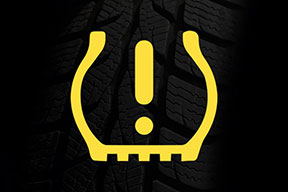
The tire pressure light usually looks like a horseshoe-shaped tire symbol with an exclamation point in the center.
Common Reasons Your Tire Pressure Light Comes On
1. Cold Weather Causes Pressure Loss
Temperature changes are one of the biggest reasons tires lose air pressure. As outdoor temperatures drop, the air inside your tires contracts, causing tire pressure to decrease.
Even a sudden overnight temperature drop can trigger your TPMS warning light.
2. Low Tire Pressure
Over time, tires naturally lose air. Driving with underinflated tires can:
- Reduce gas mileage
- Cause premature tire wear
- Affect steering and braking
- Increase the risk of a tire blowout
Checking tire pressure regularly is essential for vehicle safety and tire longevity.
3. Tire Leak or Puncture
A nail, screw, or small puncture may cause a slow air leak that activates the tire pressure warning system. In some cases, damage may not be visible without a professional tire inspection.
4. Overinflated Tires
Too much air pressure can also create problems. Overinflated tires reduce road traction and may cause uneven tread wear in the center of the tire.
5. Faulty TPMS Sensor
Sometimes the issue is not the tire itself but the TPMS sensor. Tire pressure sensors can fail due to battery age, corrosion, or damage during tire installation or tire rotation services.
If your TPMS light flashes before staying on, this often indicates a sensor or system malfunction.
6. Tire Rotation or Recent Tire Service
After tire replacement, tire balancing, or tire rotation, the TPMS system may require recalibration or resetting. If the system is not properly reset, the warning light may remain illuminated.
Is It Safe to Drive With the Tire Pressure Light On?
Driving with the tire pressure light on is not recommended. Improper tire pressure affects:
- Vehicle handling
- Braking performance
- Fuel efficiency
- Tire lifespan
- Overall driving safety
Ignoring the warning can eventually lead to tire failure or costly repairs.
What To Do When Your Pressure Light Comes On
If your TPMS light appears:
- Check all tire pressures immediately
- Inflate tires to the recommended PSI listed inside the driver’s door jamb
- Inspect tires for visible damage or punctures
- Reset the TPMS system if necessary
- Schedule a professional tire inspection if the light stays on
Professional Tire and TPMS Service
At Lehigh Fleet Services, we provide:
- Tire pressure inspections
- TPMS diagnostics and sensor replacement
- Tire repair services
- Tire balancing and rotations
- Flat tire repairs
- Complete tire maintenance services
If your tire pressure light is on, don’t ignore it. Our experienced technicians can quickly identify the problem and help keep your vehicle safe on the road.
Contact Lehigh Fleet Services today to schedule your tire inspection or TPMS diagnostic service. Learn more